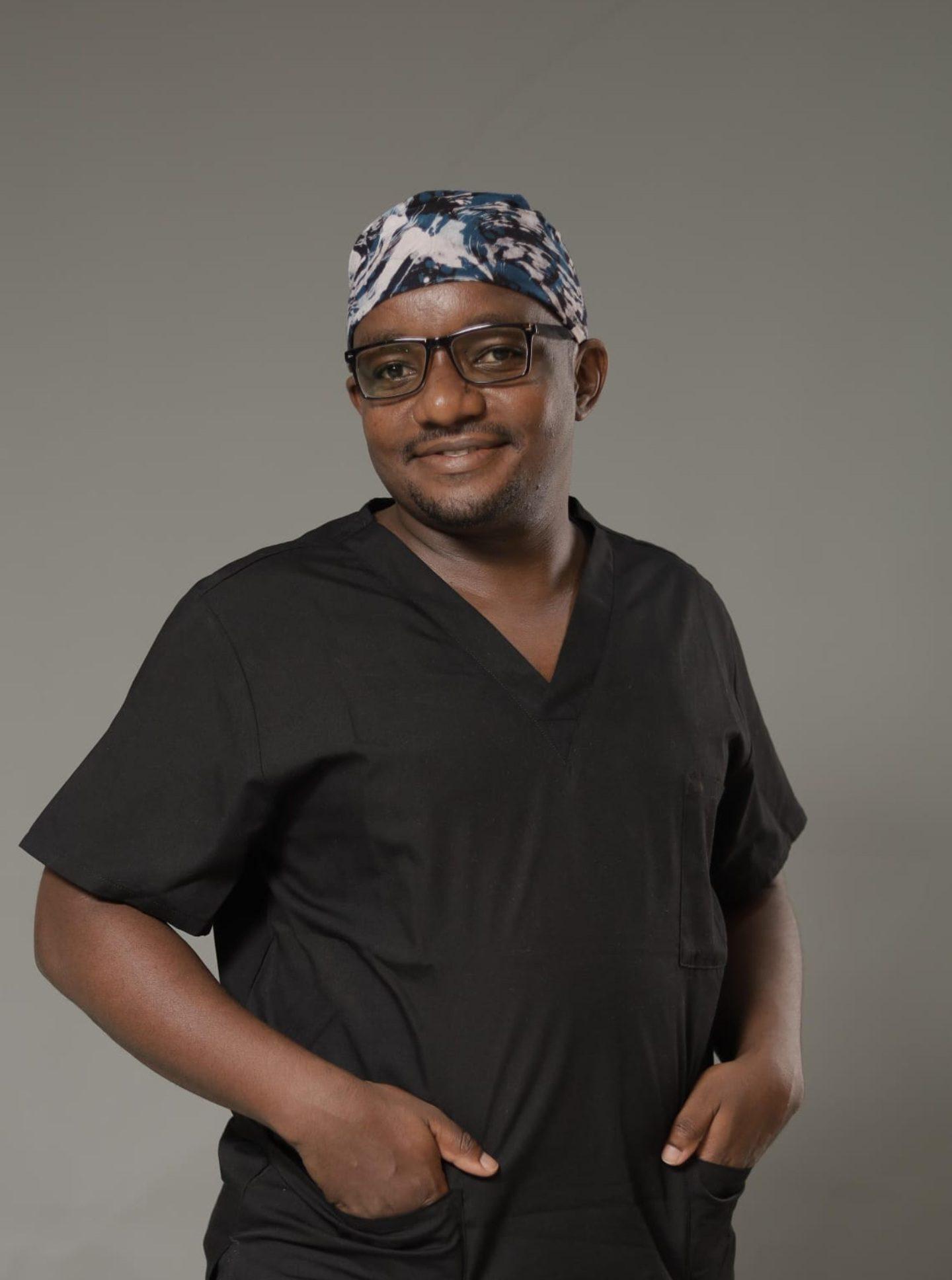

Smoking slows healing, increases infection and strains the heart and lungs during surgery. A surgeon explains what smoking does to your operation, why stopping even a few weeks beforehand helps, and how to make it happen.
When I plan an operation with a patient, I ask about smoking as routinely as I check blood pressure. Many people expect a lecture. What I offer instead is an opportunity: the weeks before surgery are one of the most effective times to stop smoking, and one of the times when stopping makes the biggest difference.
Every operation is a test of the body's ability to heal. Smoking makes that test harder in almost every way. The encouraging news is that the body begins to recover remarkably quickly once smoking stops.
What smoking does to your operation
Tobacco smoke contains thousands of chemicals. Three matter most for surgery.
- Nicotine narrows blood vessels. Less blood reaches the skin and tissues around your wound, so less oxygen and fewer healing cells arrive where they are needed.
- Carbon monoxide steals oxygen. It binds to red blood cells far more strongly than oxygen does. In a regular smoker, a significant part of the blood's oxygen-carrying capacity is taken up by carbon monoxide.
- Smoke damages the lungs' defences. The tiny hairs that clear mucus from the airways stop working properly, and the lungs become more irritable and prone to infection.
Together, these effects explain why people who smoke have more complications after surgery than those who do not.
- Wound problems. Wounds heal more slowly and are more likely to become infected or to break open. Skin flaps and scars heal less well.
- Chest complications. Coughing, chest infections and breathing difficulties after anaesthesia are more common.
- Heart problems. Smoking raises heart rate and blood pressure, and increases the strain on the heart during and after surgery.
- Slower bone and tissue repair. Fractures, joins in the bowel and repaired tissues take longer to heal.
- Longer recovery. Hospital stays tend to be longer, and the risk of needing further treatment is higher.
Why it matters even more in vascular surgery
In my work with arteries and veins, smoking deserves special mention. It is one of the main causes of narrowed and blocked arteries in the legs, the neck and the heart.
- Bypass grafts and stents are more likely to narrow or block in people who continue to smoke.
- Leg circulation problems progress faster, and the risk of non-healing wounds and amputation is higher.
- Dialysis fistulas need healthy blood vessels to develop properly. Smoking can reduce the chance of a fistula maturing and lasting.
- Diabetic foot wounds heal more slowly when circulation is further reduced by smoking.
For many of my vascular patients, stopping smoking is not just preparation for surgery. It is part of the treatment itself, and often as important as the operation.
Hernias, wounds and smoking
Smoking also affects everyday general surgery. Hernia repairs are more likely to fail in people who smoke, partly because of poor tissue healing and partly because of chronic coughing, which puts repeated strain on the repair. Wound infections after abdominal surgery are more common. Stopping smoking is one of the simplest ways to protect the result of your operation.
How soon does stopping help?
The body starts to recover within hours.
- Within 12 to 24 hours, carbon monoxide levels in the blood fall and more oxygen reaches the tissues.
- Within a few days, the effects of nicotine on blood vessels and heart rate begin to settle.
- Within a few weeks, the lungs start to clear and wound healing improves.
- Over months and years, the risk of heart attack, stroke and circulation problems continues to fall.
Research shows that people who stop smoking at least four weeks before surgery have fewer complications, particularly with wound healing and the lungs. The longer the period without smoking, the greater the benefit. Programmes that support patients to stop several weeks before an operation have been shown to reduce complications.
Ideally, stop at least four to eight weeks before planned surgery. If your operation is sooner, stop as soon as you can. Even stopping on the day before surgery reduces carbon monoxide levels and helps.
A common myth is that stopping shortly before surgery is harmful because you may cough more at first. This is not true. There is no time when continuing to smoke is safer than stopping.
What about e-cigarettes, shisha and chewing tobacco?
All forms of tobacco and nicotine affect blood flow. Shisha delivers large amounts of smoke and carbon monoxide in a single session. E-cigarettes avoid much of the smoke, but still deliver nicotine, which narrows blood vessels. Chewing tobacco and snuff also contain nicotine. Before surgery, the safest choice is to avoid them all.
Nicotine replacement, such as patches and gum used under medical advice, is much safer than smoking. It contains no carbon monoxide or tar, and it can make stopping much easier. Ask your doctor whether it is suitable for you.
How to stop
Stopping is hard, and many people need more than one attempt. Planning makes success more likely.
- Set a date, ideally as soon as your operation is planned.
- Tell your family and friends so they can support you, and ask smokers around you not to smoke near you.
- Remove cigarettes, lighters and ashtrays from your home, car and workplace.
- Plan for triggers, such as tea, alcohol, stress or after meals, and choose something else to do at those times.
- Ask about nicotine replacement or medicines that reduce cravings. Combining support with medicines greatly increases your chance of success compared with willpower alone.
- If you slip, do not give up. Every cigarette not smoked helps your body prepare.
A turning point
An operation is a moment when many people pause and think about their health. I have seen patients stop smoking for their surgery and never return to it. They notice that they breathe more easily, walk further, taste food again and save money. Their wounds heal, and so does their confidence.
If you are preparing for surgery, please tell us honestly about smoking. We will not judge you. We will help you plan your operation safely and support you to stop.
Stopping smoking before surgery is one of the most powerful things you can do to protect your recovery, and it is never too late to start.
This article is general information and does not replace individual medical advice. In an emergency, go to the nearest Accident & Emergency department.