Carrying extra weight does not mean you cannot have safe surgery. It does mean your surgical team plans a little differently. A surgeon explains why, what you can do beforehand, and how to recover well.
"Daktari, am I too heavy for the operation?"
It is a question I hear often, usually asked quietly, sometimes with embarrassment. The answer is almost always no. People living with obesity have safe, successful operations every day, here in Mombasa and around the world.
But body weight does matter in surgery. It affects how we give the anaesthetic, how we position you on the operating table, how we perform the operation, and how we help you recover. When your surgical team understands this and plans for it, and when you take part in that planning, surgery becomes much safer.
This article is not about blame. Weight is shaped by genetics, hormones, medicines, stress, sleep, income, culture and the food around us. In many Kenyan families, a fuller body has long been seen as a sign of health and prosperity. My aim is simply to explain what matters for your operation, so that you can go into it informed and well prepared.
Why weight matters in surgery
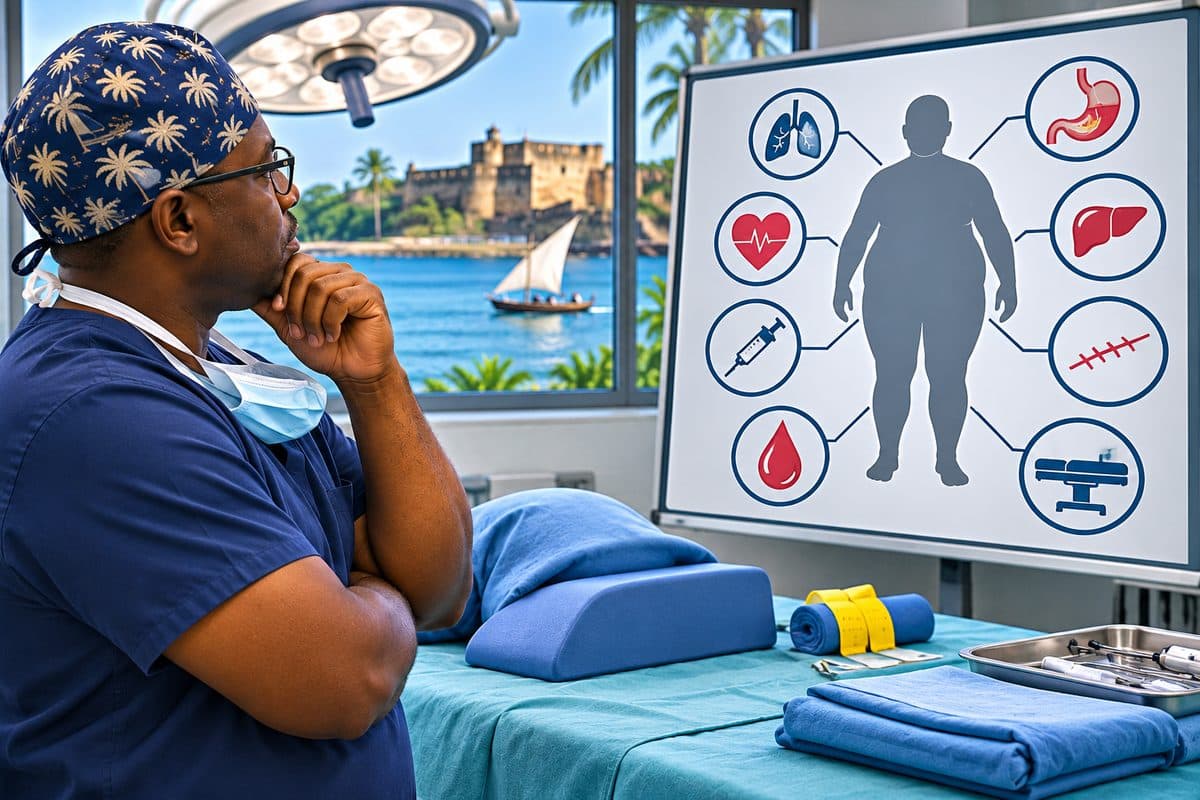
Breathing and anaesthesia. Extra weight around the chest and abdomen makes the lungs work harder, especially when lying flat. Many people with higher body weight also have obstructive sleep apnoea, where the airway closes repeatedly during sleep, often without the person knowing. These factors need careful planning by the anaesthetist, before, during and after the operation.
Heart and blood pressure. Obesity is often linked with high blood pressure and strain on the heart. Your team will check these before surgery and keep them well controlled.
Blood sugar. Type 2 diabetes is more common with higher weight. Uncontrolled blood sugar slows healing and increases the risk of infection, so we aim to have it well controlled before planned surgery.
Blood clots. People with higher body weight have a greater risk of clots forming in the leg veins after surgery (deep vein thrombosis), which can occasionally travel to the lungs. We take active steps to prevent this.
Wound healing. Fatty tissue has a relatively poor blood supply. Skin folds can stay warm and moist. Both increase the risk of wound infection and of wounds opening, particularly after abdominal surgery.
Hernias. Higher pressure inside the abdomen is one reason hernias develop and, after repair, why they may come back. For planned repair of a large or recurrent hernia, losing some weight beforehand can make a real difference to the long-term result.
The operation itself. Operations can take longer and be technically more demanding. This is one reason keyhole (laparoscopic) surgery is often preferred where possible: smaller wounds usually mean less pain, fewer wound problems and faster recovery.
Safe positioning. We use operating tables, beds and equipment suitable for your weight, and take extra care with padding and positioning to protect your skin, nerves and joints during the operation.
Before surgery: what you can do
The weeks before a planned operation are a valuable opportunity. Small changes make a measurable difference.
- Be honest about your weight and health. Accurate weight and height help us choose the right doses of medicines, the right equipment and the safest plan. You will not be judged.
- Tell us if you snore loudly, stop breathing during sleep or feel very sleepy during the day. These can be signs of sleep apnoea. If you already use a CPAP machine at night, bring it to hospital with you.
- Control your blood sugar and blood pressure. Take your medicines regularly and attend your physician reviews.
- Stop smoking. This is one of the most powerful steps you can take to reduce chest and wound complications.
- Move more, gently. Daily walking, even 20 to 30 minutes, strengthens the heart and lungs and helps recovery. Think of it as training for your operation.
- Practise deep breathing. Slow, deep breaths several times a day help keep the lungs open after surgery.
- Aim for modest weight loss if time allows. For many planned operations, losing even a small proportion of your body weight beforehand reduces risk. Your surgeon will tell you whether this matters for your procedure. For urgent operations, there is no need to delay.
- Tell us about weight-loss medicines. Injections and tablets such as semaglutide and tirzepatide slow the emptying of the stomach. This can affect anaesthesia safety. Your team may ask you to pause them for a period before surgery. Please never stop or start them without advice.
- Eat well. Weight loss should not mean poor nutrition. Protein, vegetables and plenty of water help your body heal.
On the day of surgery
Your team will have planned for you in advance. This may include:
- A detailed anaesthetic assessment and an agreed plan for your airway, breathing and pain relief
- Equipment sized correctly for you, including blood pressure cuffs, beds and theatre tables
- Measures to prevent blood clots, such as compression stockings, calf compression devices and, for many operations, blood-thinning injections
- Antibiotics to reduce the risk of wound infection, where appropriate
- Careful attention to blood sugar before, during and after the operation
If anything is unclear, ask. Understanding the plan helps you feel more in control.
After surgery: recovering well
Get moving early. As soon as it is safe, usually the same day or the next, you will be helped to sit up and walk. Early movement is one of the most effective ways to prevent clots and chest infections.
Breathe deeply and cough. Take ten slow, deep breaths every hour while awake, and cough gently, supporting your wound with a pillow. Sitting upright rather than lying flat helps the lungs.
Use your CPAP if you have one, including after surgery.
Look after the wound. Keep it clean and dry, paying special attention to skin folds. Pat dry rather than rubbing. Report redness, swelling, discharge, a bad smell or a wound that starts to open.
Continue clot prevention exactly as prescribed, including any injections at home.
Keep blood sugar controlled, and eat enough protein to help healing.
Seek help promptly if you develop calf pain or swelling, chest pain, breathlessness, fever, or problems with your wound.
Thinking about the longer term
For some people, an operation becomes the starting point for a healthier relationship with weight. Changes made before surgery, such as walking daily, eating differently and stopping smoking, can continue long afterwards.
For people living with severe obesity, there are effective treatments, including structured lifestyle programmes, modern weight-loss medicines and, in selected cases, weight-loss (bariatric) surgery. If you would like to explore these options, ask your doctor for a referral to the appropriate specialist.
The bottom line
Higher body weight is not a reason to be refused surgery, and it is not a reason for shame. It is one of many factors, like age, diabetes or heart disease, that your surgical team takes into account to keep you safe.
Be open with your team, prepare well, move early and follow your recovery plan. Together, we can make your operation as safe and successful as possible.
Your weight does not define you, and it does not stop you from having safe surgery. Honest conversation and good preparation do the rest.
This article is general information and does not replace individual medical advice. In an emergency, go to the nearest Accident & Emergency department.