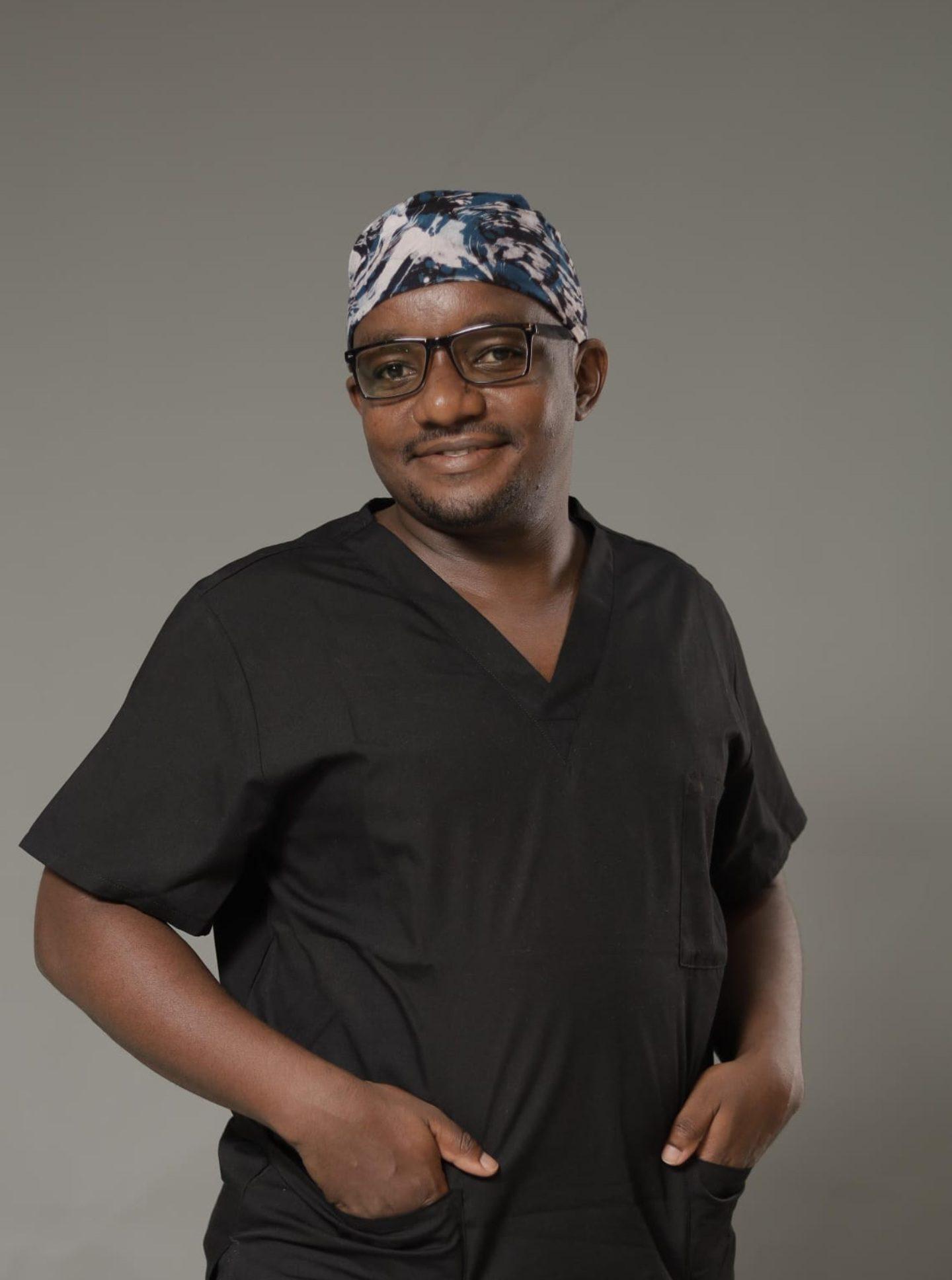

Fear of bad news, of hospitals or of surgery keeps many people away from care they need. Practical encouragement on facing that fear — and why knowledge brings back control.
Every doctor knows the patient who begins the consultation with an apology: "Daktari, I should have come earlier." When I ask gently what kept them away, the answer is very often the same. They were afraid.
Afraid of what the doctor would find. Afraid of the word "cancer". Afraid of being told they need an operation. Afraid of hospitals, of needles, of the cost, of being a burden to their family. Fear is one of the most common reasons people delay seeking care, and it is one of the least talked about.
I want to speak about that fear honestly, because I believe that understanding it is the first step to overcoming it.
Fear is natural
There is nothing shameful about being afraid of illness. Our health is bound up with everything we value: our work, our independence, our families and our future. When something seems wrong with our body, it is natural to feel vulnerable.
Fear also has a purpose. It is the body's way of telling us that something matters. The problem is not the fear itself, but what we do with it. When fear leads us to seek help, it protects us. When it leads us to avoid help, it can harm us.
Fear is a signal that something matters. Let it lead you towards help, not away from it.
Not knowing does not keep you safe
One of the most powerful beliefs that keeps people away from the doctor is this: "If I do not go, I will not hear bad news." It feels as though avoiding the diagnosis avoids the disease.
But a diagnosis does not create an illness. If something is wrong, it is already there, whether or not it has been named. What a diagnosis does is give us information, and information gives us choices. A condition that is known can be treated, monitored or managed. A condition that is unknown simply continues on its course.
In my own practice, I have noticed something striking. Patients often arrive expecting the worst, and very often the news is better than they feared. A lump turns out to be harmless. Leg pain turns out to be treatable. An operation that seemed frightening turns out to be a short procedure with a quick recovery. And even when the news is serious, most patients tell me they feel calmer once they know what they are facing and what can be done.
Common fears, honestly answered
"What if I need surgery?" Modern surgery has changed enormously. Many operations are now done through small incisions, with less pain and faster recovery, and many patients go home the same day. And not every problem needs an operation. A good surgeon will always discuss all your options, including treatments that do not involve surgery, and will help you decide what is right for you.
"What if it is cancer?" Many cancers can be cured, especially when they are found early. The fear of the word is often greater than the reality of a condition caught in time. Delay is what turns a curable problem into a difficult one.
"What if I cannot afford it?" Ask about costs openly. A good clinic will explain what an assessment involves, what your insurance covers and what options are available. A consultation simply to understand the problem is far less expensive than an emergency later.
"What if they tell me I have waited too long?" Many patients carry guilt about delaying, and fear being scolded. A good doctor will not judge you for the past; their focus is on what can be done now. Whatever the stage of a condition, there is almost always something that can be done to relieve symptoms, slow progression or improve quality of life. Coming today is always better than coming tomorrow.
"What if the doctor does not listen to me?" You have every right to be heard, to ask questions and to understand your care. If you are not satisfied, you have the right to seek a second opinion.
Practical ways to find courage
If fear has been keeping you from care, these steps may help:
- Bring someone with you. A family member or friend can offer support, help you remember what was said and ask questions you might forget.
- Write down your questions before the appointment, so that nothing is left unsaid.
- Ask the doctor to explain in plain language. You do not need to understand medical terms; you need to understand your situation.
- Take one step at a time. The first visit is only to understand what is happening. Decisions about treatment can come later, with time to think.
- Remember that a consultation commits you to nothing. You remain in control of every decision about your own body.
A partnership, not a verdict
I often tell my patients that a consultation is not a judgement or a verdict. It is the beginning of a partnership. My role is to examine, to explain, to offer the best options available, and to support you in choosing what is right for you. Your role is to share your concerns honestly and to take part in the decisions.
When fear is shared, it becomes lighter. When it is met with clear information, it often fades. And when it is replaced by a plan, it can turn into something much more useful: hope.
The courage of the first step
The bravest patients I have met are not those who felt no fear. They are those who were afraid and came anyway. They picked up the phone, booked the appointment and walked through the clinic door with their worries in their hearts.
If you have been putting off a visit because you are afraid, I want you to know that your fear is understood, and that you will be treated with respect and care. Take the first step. You do not have to face it alone, and you may well find that the reality is far kinder than the fear.
This article is general information and does not replace individual medical advice. In an emergency, go to the nearest Accident & Emergency department.