On Mashujaa Day we honour those who gave everything for Kenya. But the heroes most of us know wake up at 4 am, carry whole families and never take a sick day. A Mashujaa Day message for them — and for you.
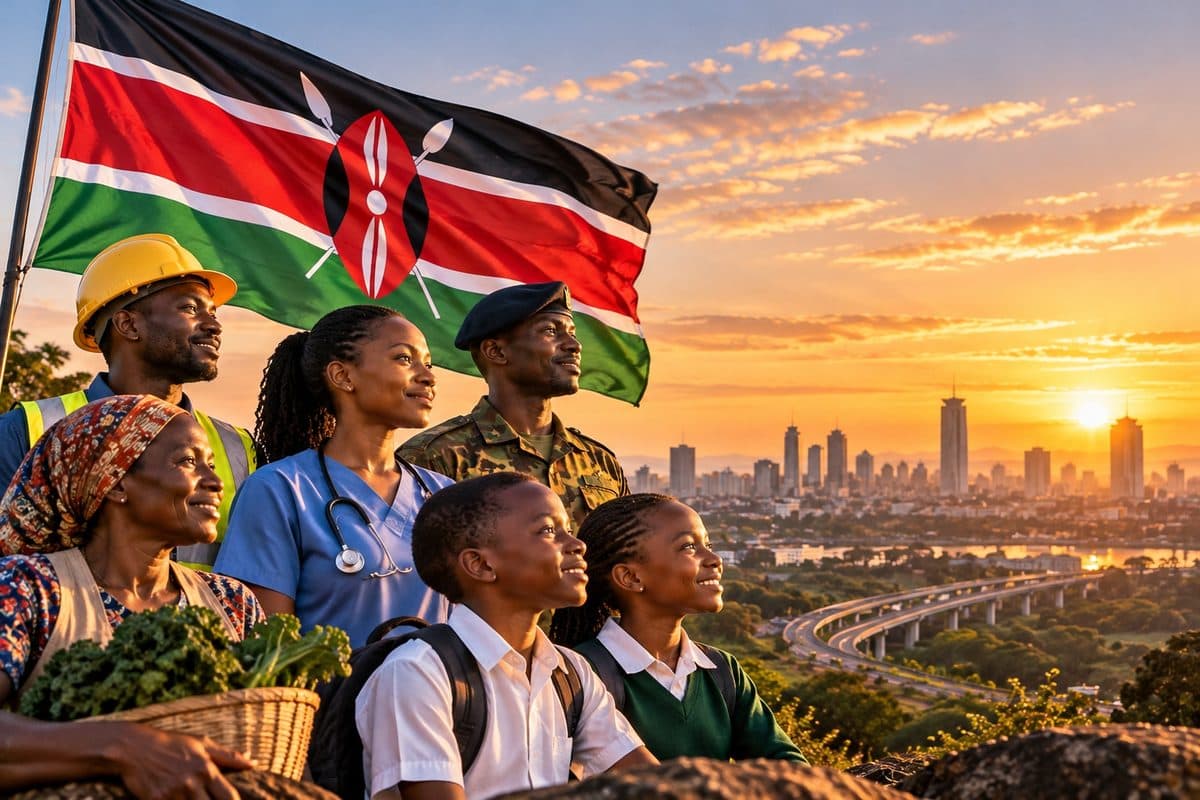
Today is Mashujaa Day. Across Kenya, we remember the men and women whose courage and sacrifice built this nation. We honour their names, their struggles and the freedom they won for us.
But today I want to talk about a different kind of hero. You know them. You may live with one. You may be one.
The heroes we see every day
She is the mama mboga who is at the market before sunrise, standing for twelve hours so her children can stay in school.
He is the boda boda rider who carries the whole estate to work, to school and to hospital, in the sun and in the rain.
She is the grandmother raising three grandchildren after their parents went to look for work in the city or abroad.
He is the watchman who works nights so his family can eat during the day. She is the teacher, the nurse, the fundi, the farmer, the hustler with three jobs and one dream.
They are the heroes who never make the news. They hold families, villages and this country together, quietly, every single day.
And they share one dangerous habit.
The hero who has "no time" to be sick
They put themselves last.
The mama mboga has had a swelling in her leg for months. "I will go to hospital when the children close school."
The boda boda rider has had chest pains when climbing the stairs. "It is just tiredness. I can't afford to lose a day's income."
The grandmother has a wound on her foot that will not heal. She has diabetes, but the medicine ran out and the clinic is far. "God will help."
The father who carries everyone has never checked his blood pressure in his life. "I am strong. I don't get sick."
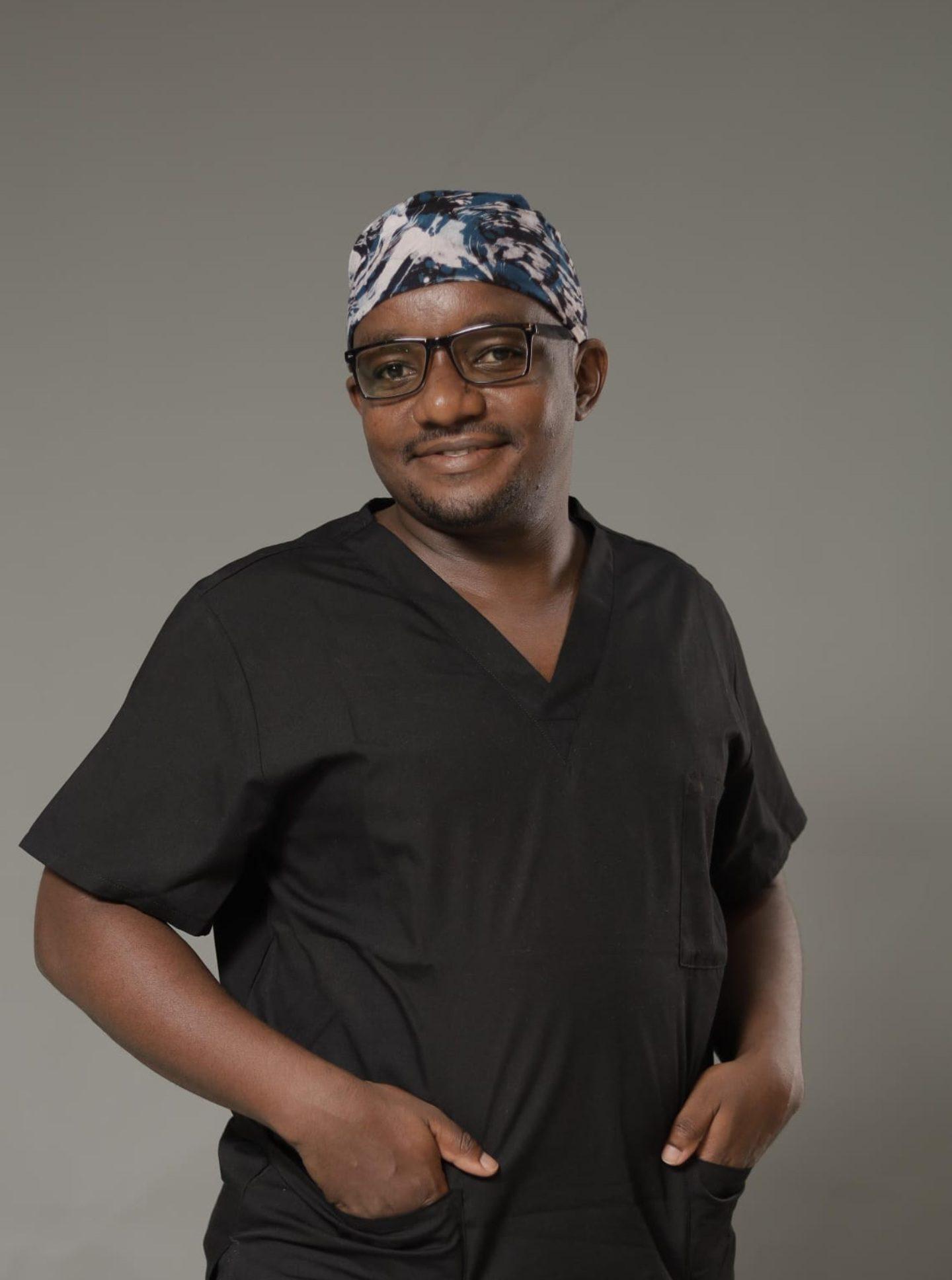
As a surgeon, I meet these heroes every week, often too late. A small wound that has become an infection threatening the leg. A blood pressure problem discovered only after a stroke. A lump that has been "watched" for a year. A hernia that has suddenly become an emergency.
Almost every one of them tells me the same thing: "Daktari, I didn't have time." Or, "I didn't want to bother anyone."
Being a hero is not the same as ignoring pain
We grow up admiring people who endure. We praise the one who keeps working through the pain, who never complains, who says "nitajikaza". There is real strength in that.
But there is a line between strength and danger. Ignoring warning signs is not bravery. A hero who collapses leaves behind a family that depended on them. The children's fees, the shop, the boda boda loan, the grandmother's medicine — all of it rests on one body.
Looking after your health is not selfish. It is how you keep protecting the people who need you.
Our freedom fighters understood this better than anyone. They fought so that the next generation could live. A hero thinks about tomorrow, not only today.
Five things a hero can do this week
You do not need to be rich to protect your health. Start here.
- Know your numbers. Check your blood pressure and blood sugar. Many pharmacies and community health workers do this quickly and cheaply. High blood pressure and diabetes often have no symptoms until they cause serious damage.
- Do not ignore warning signs. A wound that is not healing, especially if you have diabetes. A new lump or swelling. Blood in your stool or urine. Chest pain or breathlessness on walking. Leg pain that stops you walking. These need a doctor, not more waiting.
- Take your medicines, every day. Blood pressure and diabetes medicines only work if you take them, even when you feel well. If you cannot afford them or they run out, tell your clinic. There is usually another way.
- Protect your head. If you ride a boda boda or are a passenger, wear a helmet, every trip. Head injuries change families forever.
- Look after the hero in your home. Take your mother for her check-up. Ask your father when he last saw a doctor. Sometimes the best gift you can give a hero is to make them put themselves first for one day.
Heroes are everywhere — not just in Kenya
This is not only a Kenyan story. In every country, there are parents working double shifts, carers looking after sick relatives, and workers who cannot afford a day off. Everywhere, the people who care most for others are often the last to care for themselves. And everywhere, the answer is the same: early action saves lives, limbs and livelihoods.
A Mashujaa Day promise
As we celebrate our national heroes today, let us also celebrate the ones closest to us, and let us make them a promise: we will not let them suffer in silence.
To every mama mboga, every boda boda rider, every grandmother, every nurse, every parent and every hustler: Kenya is built on your backs. Thank you.
Now please, go and get that check-up. Not when the children close school. Not when the harvest comes in. This week.
Because Kenya needs its heroes alive, well and strong.
Happy Mashujaa Day.
A true hero protects others — and that includes protecting the body that carries them. Share this with a hero you love.
This article is general information and does not replace individual medical advice. In an emergency, go to the nearest Accident & Emergency department.