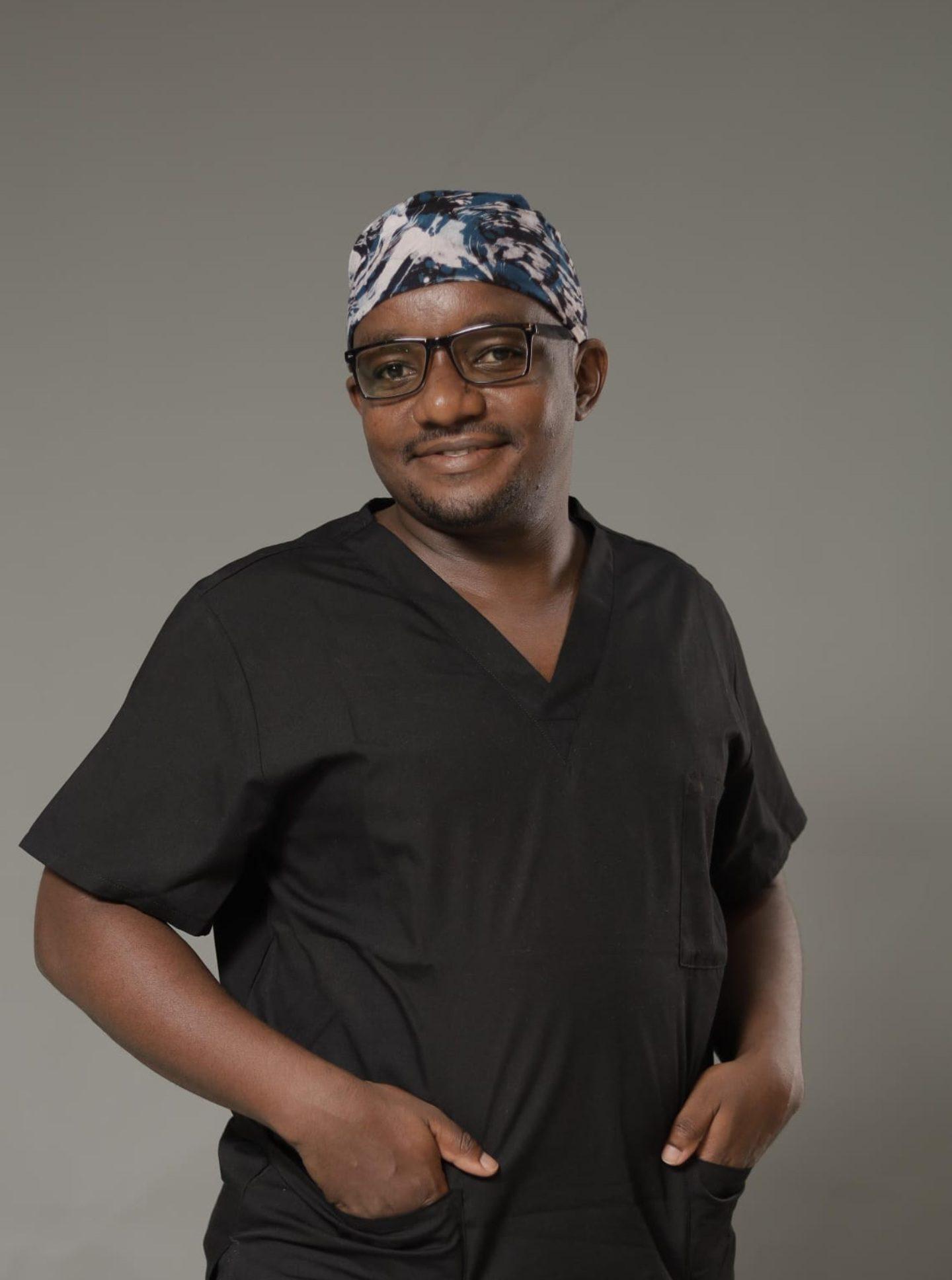

Medicine is a science practised as an art. Reflections on the enduring principles that guide good doctors — doing no harm, listening, honesty, humility and care for the whole person.
Every surgeon remembers the first time they held a scalpel on a living patient. It is a moment of extraordinary trust. A person you may have met only days before has allowed you to open their body, in the belief that you will do them good. Over the years, that trust has shaped how I think about what medicine is, and what it asks of those who practise it.
Medicine is often described as a science. It is that, and its scientific foundations have transformed human life. But medicine is also an art — the art of applying knowledge to one particular person, with their own body, history, fears and hopes. Good doctors must be both scientists and artists, and the tension between the two lies at the heart of the profession.
First, do no harm
The principle most often associated with the physicians of ancient Greece is simple to state and difficult to live by: first, do no harm. Every treatment carries risk, and every operation carries the possibility of complications. The good doctor is not the one who does the most, but the one who does what is right — and sometimes that means advising against an operation, or choosing a simpler path.
In surgery, this principle requires a particular kind of discipline. It is tempting to believe that every problem has a surgical solution. Experience teaches otherwise. One of the most important skills a surgeon can develop is knowing when not to operate, and having the honesty to say so.
The good doctor is not the one who does the most, but the one who does what is right for this patient, at this time.
Listening as a clinical skill
Sir William Osler, one of the founders of modern medical education, advised his students to listen to the patient, because the patient is telling them the diagnosis. More than a century later, his words remain true. Despite advanced scans and laboratory tests, the most powerful diagnostic tool remains a careful conversation.
Listening is not only about gathering information. It is also a form of respect. When a patient feels heard, trust grows, anxiety eases and decisions become shared. Many complaints in healthcare arise not from technical failures but from people feeling unheard. Time spent listening is never wasted.
Treating the person, not only the disease
A diseased artery, an inflamed gallbladder or a hernia can be described in a textbook. The person who carries it cannot. Every patient arrives with a story: a family who depends on them, a job they fear losing, a previous experience in hospital that went badly, beliefs and values that shape what they want from care.
The philosophy of medicine reminds us that we treat people, not organs. Two patients with the same condition may need very different plans, because their lives, priorities and circumstances are different. Respecting this is not a distraction from good medicine; it is good medicine.
Honesty and shared decisions
Modern medical ethics rests on a few enduring principles: acting for the patient's benefit, avoiding harm, respecting the patient's right to decide, and treating people fairly. Each of these depends on honesty.
Patients deserve to understand their condition, the options available, the likely benefits and risks, and what might happen if they choose to do nothing. They deserve this information in language they can understand, with time to ask questions. The decision belongs to them. The doctor's role is to guide, advise and support, not to decide on their behalf.
Shared decision-making is sometimes slower than simply telling a patient what to do. But it leads to choices that patients understand and own, and that is the foundation of good outcomes and lasting trust.
Humility before the body
The more years I spend in medicine, the more I respect how much we still do not know. Bodies do not always behave as textbooks predict. Treatments that work for most patients do not work for all. Complications occur even when everything is done correctly.
Humility is therefore not weakness in a doctor; it is wisdom. It keeps us learning, asking colleagues for advice, auditing our results, and improving our systems. In my work in quality improvement, I have seen how honest review of what went wrong — without blame — leads to safer care for future patients.
Medicine where resources are limited
Practising medicine in settings where resources are limited adds another dimension to these principles. Not every test or treatment is always available, and costs weigh heavily on families. Here, the art of medicine includes choosing wisely: using the investigations that will truly change management, adapting proven techniques to local realities, and never losing sight of what matters most to the patient.
Some of the most creative and compassionate medicine I have witnessed has been practised in such settings, by teams who refused to accept that limited resources must mean limited care.
Healing beyond cure
Not every illness can be cured. But healing is broader than cure. A patient can be comforted, have their pain relieved, be supported to live well with a long-term condition, and be accompanied with dignity at the end of life. These, too, are victories of medicine.
A profession of trust
In the end, medicine rests on trust: the trust of the patient who allows us to examine and treat them, the trust of families who place their loved ones in our care, and the trust of society that we will act with skill, honesty and compassion. Earning and keeping that trust is the lifelong work of every doctor.
For patients, I hope these reflections offer reassurance. A good doctor will listen to you, explain your options honestly, respect your choices and work with you as a partner. You should expect nothing less — and you should never hesitate to seek care because you fear being treated as a case rather than a person.
This article is general information and does not replace individual medical advice. In an emergency, go to the nearest Accident & Emergency department.