Caring for your AV fistula
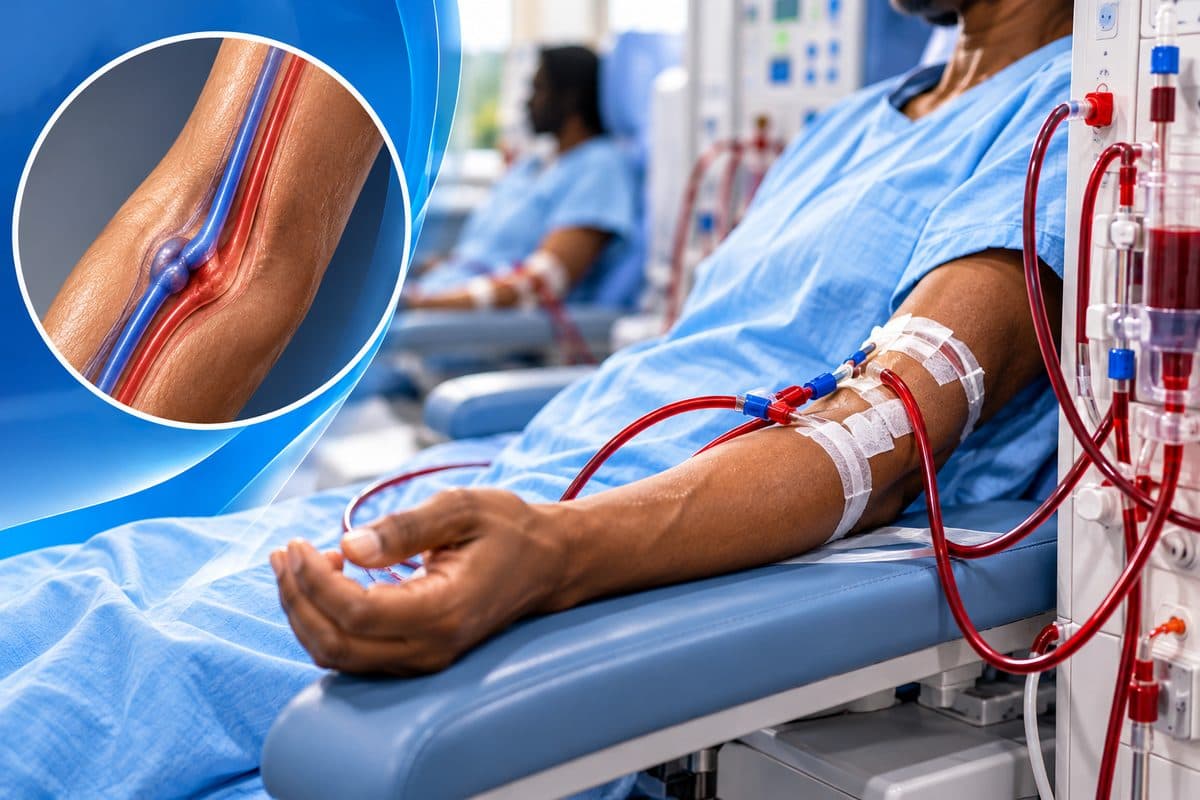
Your fistula is your lifeline for dialysis. A few simple daily habits help it work well and last for many years — and knowing the warning signs means problems can be treated before the fistula is lost.
Kiswahili Muhtasari kwa Kiswahili
Fistula (AV fistula) ni muunganiko wa ateri na vena mkononi unaotumika kwa usafishaji damu (dialysis). Kila siku, gusa fistula yako ili kuhisi mtetemo. Usiruhusu kupimwa shinikizo la damu, kutolewa damu, wala kuwekewa dripu kwenye mkono wenye fistula, na usivae saa au nguo zinazobana mkono huo.
Ukikosa kuhisi mtetemo, au damu ikiendelea kutoka baada ya kuibana kwa dakika 10 hadi 15, tafuta msaada mara moja.
When to seek help urgently
Contact your surgeon or dialysis unit the same day, or go to A&E, if:
- You can no longer feel the buzz (thrill) or hear the whoosh over the fistula
- Bleeding that does not stop after 10–15 minutes of firm pressure — this is an emergency
- Redness, heat, swelling, pus or fever around the fistula or wound
- Your hand becomes cold, pale, numb or painful, especially during dialysis
- The whole arm, hand or face becomes swollen
- The skin over the fistula becomes thin, shiny, scabbed or ulcerated, or the fistula grows rapidly
A blocked fistula can often be saved if treated quickly — do not wait for your next dialysis session.
After your operation
Rest and elevate
For the first few days, keep the arm raised on a pillow to reduce swelling. Gentle finger and wrist movement is encouraged.
Wound care
Keep the dressing clean and dry until it is reviewed, and follow the instructions you are given for showering and stitches.
Exercises
When advised — usually once the wound has settled — squeeze a soft ball several times a day. This helps the vein enlarge and strengthen.
Time to mature
A fistula usually needs about 6 weeks or longer to develop before it can be used for dialysis. Your surgeon will check it before first use.
Everyday care
Feel the thrill every day
Place your fingers lightly over the fistula each morning and evening. You should feel a continuous buzz or vibration.
Keep it clean
Wash the arm with soap and water every day and before every dialysis session.
Protect the arm
No blood pressure measurements, blood tests, injections or drips in the fistula arm. Tell every health worker which arm has your fistula.
Nothing tight
Avoid watches, bracelets, tight sleeves or bags that press on the fistula, and do not sleep on that arm.
Avoid injury and heavy lifting
Protect the arm from knocks and cuts, and avoid carrying heavy loads with it.
After dialysis
Apply firm but gentle pressure to the needle sites until bleeding stops, without blocking the flow of the fistula.
Frequently asked questions
What is an AV fistula?
It is a connection made by a surgeon between an artery and a vein, usually in the arm. The increased blood flow makes the vein larger and stronger, so it can be used repeatedly for haemodialysis.
Why is a fistula preferred over a dialysis catheter?
A fistula uses your own blood vessels, so it has a lower risk of infection and blockage and usually lasts longer than a catheter or graft.
What should I do if I cannot feel the thrill?
Contact your surgeon or dialysis unit the same day. A blocked fistula can often be rescued if it is treated quickly, ideally within hours.
Can I exercise with a fistula?
Yes. Normal activity and walking are encouraged. Avoid heavy lifting with the fistula arm and contact sports that could injure it.
Is it normal for the fistula to look prominent?
A working fistula is usually visible and may be slightly raised. Rapid enlargement, thinning skin or a scab over the fistula is not normal and needs prompt review.
Concerned about your fistula?
Fistula review and access salvage at Aga Khan Hospital Mombasa, Doctors' Plaza.
General information only; follow the specific instructions of your surgeon and dialysis team.